Have you noticed that some of your best members now show up only two or three times a week — and expect to train online on the other days? You are not imagining it. By 2026, this is the new normal for gyms across India, from Tier-1 metros like Bengaluru and Mumbai to fast-growing Tier-2 cities like Indore, Coimbatore, and Lucknow. The hybrid fitness model India gym owners are adopting is no longer a pandemic survival tactic — it is a deliberate, revenue-generating business strategy.
The fitness member of 2026 is a different creature. They want the community and accountability of a physical gym, but they also want the convenience of joining a live Zumba class from their living room on a rainy Tuesday or accessing a personalised workout plan on their phone while travelling for work. Gyms that offer only one mode are leaving money on the table — and members at the door of competitors who do both.
In this post, we will walk through exactly how Indian gym owners are building sustainable hybrid fitness businesses: what the model looks like in practice, what infrastructure you actually need, the revenue opportunities it unlocks, and how the right software ties everything together.
What Exactly Is a Hybrid Fitness Model?
A hybrid fitness model simply means your gym serves members through both physical in-person sessions and digital online channels — often under a single membership or through tiered plans. This is different from offering occasional YouTube workout videos. A true hybrid model has:
Think of it like this: Ravi is a software engineer in Pune. He comes to your gym on Monday, Wednesday, and Saturday mornings. On days he works late or travels to Hyderabad for client meetings, he joins your 7 PM live HIIT class on his laptop. His wife, Priya, is a full-time homemaker who only ever trains online but pays for a membership at your gym because she loves the trainer and the programme structure. Both are paying members. Both are loyal. And neither would have stayed with a gym that forced them to choose one mode or the other.
Why 2026 Is the Inflection Point for Online Offline Gyms in India
The fitness industry in India crossed several significant thresholds in 2025 that have made the hybrid model not just viable but commercially compelling:
Smartphone and internet penetration reached new highs, particularly in Tier-2 and Tier-3 cities. Members in Nagpur or Bhopal are now just as comfortable attending a live online class as members in Delhi.
Member expectations have matured. Post-2023, the novelty of "online fitness" wore off and quality expectations rose sharply. Members no longer accept a trainer holding a phone up in front of a mirror. They want structured, scheduled, professionally delivered digital sessions — the same quality they get in person.
Rental pressures are real. For gyms in metro cities paying ₹80,000 to ₹3,00,000 a month in rent, adding an online revenue stream without adding floor space is an enormous financial opportunity.
Competition from app-based fitness platforms has intensified. Apps offering ₹199/month subscriptions are not going away. The only way a local gym competes is by offering what no app can: a real trainer who knows your name, remembers your knee injury, and adjusts your programme accordingly — delivered in both physical and digital formats.
Understanding your gym membership pricing strategy becomes even more critical when you are layering online tiers on top of your existing in-person plans.
Building a Hybrid Gym Membership Structure That Works
The most common mistake Indian gym owners make when launching a hybrid model is creating overly complicated membership tiers. Keep it simple to start:
A well-structured gym membership pricing guide will help you benchmark these numbers against your local market and calculate what each tier needs to earn to be profitable.
The key is making the online tier feel premium, not like a consolation prize. If your digital classes look sloppy or your online plan has no structure, members will not pay for it. Invest in the quality of your digital delivery first.
The Equipment and Technology Your Gym Needs
Running a hybrid model does not require a Hollywood broadcast studio, but it does require more than a ring light and a tripod. Here is a realistic setup for a small-to-medium Indian gym:
For the physical side:
For the digital side:
For the management side — this is where most gyms underinvest:
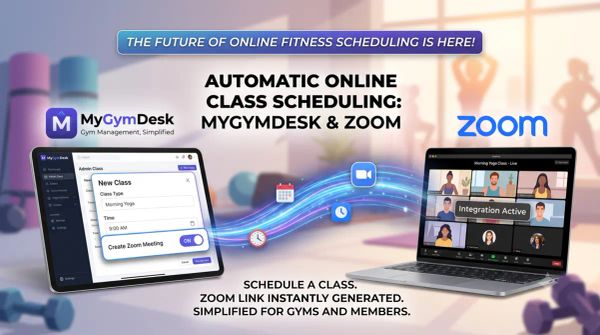
Managing two separate streams of members, two sets of class schedules, billing across multiple membership tiers, and communication across all of them is genuinely complex without the right software. Features like class scheduling, member management, and WhatsApp automation become essential — not optional — once you are running a hybrid operation. Without them, your admin team will drown in manual coordination.
A member portal that lets online members book classes, download their workout plans, and track their progress independently is especially valuable. It reduces the burden on your staff while giving digital members the self-service experience they expect.
Revenue Opportunities the Hybrid Model Opens Up
This is where it gets genuinely exciting for gym owners. The hybrid fitness model does not just retain existing members — it unlocks entirely new revenue streams:
1. Geographic expansion without real estate costs
Your online tier can attract members from neighbouring localities, towns, or even other states. A gym in Coimbatore can have paying online members in Chennai, Bangalore, and Dubai without spending a rupee on additional space.
2. Corporate wellness contracts
Companies are actively looking for employee wellness solutions. A hybrid gym can pitch a corporate plan where employees get in-person access if they live near the gym, and online access for those working remotely. This is a ₹50,000–₹5,00,000/year contract opportunity depending on company size.
3. Speciality digital programmes
Weight loss boot camps, prenatal yoga, senior fitness programmes, or exam-season stress-relief plans — these can be packaged as standalone digital products and sold at a fixed price, independent of monthly memberships.
4. Trainer revenue sharing
Your star trainers can conduct premium online sessions (1:1 or small group) and take a revenue share. This keeps top talent motivated and loyal — a topic explored in depth in our guide on gym staff turnover costs in India.
5. Reduced churn during travel seasons
Members who travel for work in November, December, or during summer rarely cancel memberships from gyms that offer an online option. This alone can meaningfully improve your monthly member retention and churn rates.
How Smart Gym Software Makes Hybrid Operations Seamless
The operational complexity of running an online offline gym in India is real. You are managing two types of members, multiple class formats, digital content, diverse billing structures, and a team that needs to deliver across both channels simultaneously.
This is where gym management software earns its keep. Consider what needs to happen every day in a hybrid gym:
Doing any of this manually — via WhatsApp forwards, Excel sheets, or paper registers — becomes unsustainable within weeks. This is exactly why gyms moving from spreadsheets to dedicated software see such a dramatic improvement in both efficiency and member experience. If your gym is still relying on manual processes, the post on why Indian gyms struggle to move from Excel to software is worth reading before you launch your hybrid model.
Tools like diet and workout plan management and lead management become particularly powerful in a hybrid context — digital members especially expect their plans to be available online, and prospective members enquiring about your online tier need to be nurtured just as carefully as walk-in leads.
Practical Tips to Launch Your Hybrid Model This Quarter
If you want to start offering a hybrid model without overhauling your entire gym overnight, here is a phased approach that works for most small-to-medium gyms:
Use the gym revenue and ROI calculator to model the financial impact before you invest heavily in equipment or software. Even a conservative estimate will show you how much incremental revenue 30–50 online members can generate monthly.
Conclusion: The Hybrid Gym Is Not the Future — It Is the Present
The shift to a hybrid fitness model in India is not a trend that is coming — it is already here. Gym owners who act now are building a competitive moat: a membership base that is geographically diverse, a revenue stream that is not entirely tied to physical footfall, and a brand reputation as a modern, member-first fitness business.
The good news is that you do not need a massive budget or a technology overhaul to get started. You need a clear plan, a reliable internet connection, two or three strong trainers willing to deliver online sessions, and software that can manage the complexity so your team does not burn out.
If you are ready to build a gym business that is truly future-proof, explore MyGymDesk's gym management software and see how it supports hybrid operations — from class scheduling and member portals to automated billing and WhatsApp communications. Or book a free demo to see it live with your own gym's context in mind.
The members who want flexibility are not going anywhere. The only question is whether they find that flexibility with you — or with a competitor who moved first.