Did you know that India's fitness industry is projected to cross ₹1,00,000 crore by 2026? More importantly, how Indians are buying and using gym memberships is changing faster than any equipment upgrade you've made this year. If your gym is still selling the same annual flat-rate membership it did in 2021, there's a real chance you're leaving money on the table — and members at your competitor's door.
Understanding the latest gym membership trends in India isn't just an academic exercise. It's the difference between a gym that thrives and one that quietly loses 30–40% of its members every year. The post-pandemic fitness boom has matured, and Indian consumers have grown savvier, more demanding, and far more selective about where they spend their fitness rupees.
This post breaks down the most important shifts happening right now in 2026 — from how members buy to what they expect once they walk through your door — and what you can do about each one.
The Rise of Short-Term and Flexible Membership Plans
The era of the rigid 12-month lock-in is fading. Indian gym members in 2026 are demanding flexibility like never before. Monthly passes, 10-day packs, and even single-session punch cards are growing in popularity, particularly among urban millennials and Gen Z members in metros like Bengaluru, Mumbai, Pune, and Hyderabad.
Why the shift? Three reasons:
For gym owners, this means building a tiered membership structure is no longer optional. Offering a ₹999/month no-commitment plan alongside your ₹8,000/year membership gives hesitant prospects a low-risk entry point — and once they're in, the data shows most convert to longer plans within 60–90 days.
Tools like the Gym Membership Pricing Calculator can help you model multiple plan tiers and figure out the right price point that covers your costs while staying attractive to price-sensitive members.
Hybrid Memberships Are Becoming the New Normal
One of the most significant gym membership trends in India right now is the hybrid model — members who want both in-gym access and digital/at-home workout content under a single membership. This isn't just a Tier 1 city phenomenon anymore. Gyms in Tier 2 cities like Jaipur, Nagpur, and Coimbatore are also seeing demand for this format.
What does a hybrid membership look like in practice?
This model works beautifully for retention. Members who engage with your content digitally are far less likely to churn because they maintain an active relationship with your brand even on their off days. Platforms that offer personalised diet and workout plans make it easy to deliver this kind of value without burdening your trainers with individual WhatsApp messages.
App-First Member Experiences Are Expected, Not Exceptional
In 2022, having a gym app was a "nice to have." In 2026, members expect to manage their entire gym relationship from their phones — and they'll choose a competitor who offers this over one that doesn't.
Here's what Indian gym members now expect digitally:
This is where a robust member portal becomes a genuine competitive differentiator. When members can log in, view their progress, book classes, and pay dues without calling anyone, your gym feels premium — even if your monthly fee is ₹1,500.
As India's fitness industry continues changing in 2026, gyms that invest in digital infrastructure will consistently outperform those relying on manual processes and spreadsheets.
Gym Membership Trends India: The Demand for Personalisation
Cookie-cutter fitness programmes are losing their appeal. The modern Indian gym member — particularly those in the 25–40 age bracket — wants a fitness experience that feels tailored to them. This trend is being driven by the explosion of fitness content on Instagram and YouTube, which has educated consumers about concepts like periodisation, macros, and progressive overload.
What personalisation looks like in 2026:
For gym owners, delivering personalisation at scale requires systems. A gym management software platform that lets you assign custom plans, track member goals, and automate milestone communications makes personalisation operationally feasible — even for a gym with 400+ members and a team of five.
WhatsApp automation for gyms is particularly powerful here. Automated birthday messages, renewal reminders, and progress nudges feel personal to the member even when they're triggered by the system. Members don't know (or care) that it's automated — they just feel valued.
Corporate and Group Memberships Are Growing
One of the more exciting developments in Indian gym market trends is the rise of corporate wellness memberships. As companies across India — particularly in IT, BFSI, and manufacturing sectors — formalise their employee wellness programmes, gyms near commercial hubs are seeing a surge in bulk membership enquiries.
A corporate tie-up with even one mid-sized company can mean 30–100 new members in a single deal. The dynamics are different from individual memberships:
If you're not already actively pursuing corporate clients, 2026 is the year to start. Make sure your billing and invoicing system can handle bulk invoices and GST-compliant receipts — corporate clients will specifically ask for this.
For a deeper dive into the challenges of growing your revenue streams, 10 ways to increase gym membership sales in India covers both individual and group acquisition strategies that work in the current market.
Member Retention Is Now a Science, Not an Instinct
The data is stark: most Indian gyms lose between 30–50% of their members annually. Summer months see the steepest drop-offs, but the churn problem is year-round. What's changing in 2026 is how leading gym owners are responding to this — with data rather than discounts.
Smart gym operators are using retention analytics to:
If you've been frustrated by members going quiet before their renewal date, understanding why members go inactive after 3 months is essential reading. The patterns are predictable — which means they're preventable.
The Member Retention & Churn Calculator is a useful tool to quantify what your current churn rate is actually costing you in annual revenue. Most gym owners are shocked by the number.
Fitness Niche Specialisation Is Winning Over Full-Service Gyms
Another major shift in fitness consumer behaviour in India is the preference for specialised studios over traditional multi-equipment gyms. CrossFit boxes, yoga studios, Pilates centres, and martial arts academies are growing faster than conventional gyms in several urban markets.
What's driving this?
If you run a traditional gym, this doesn't mean you need to pivot entirely — but it does suggest that carving out a specialised programme or class format (a dedicated strength room, a signature HIIT programme, a well-run yoga class series) can create pockets of community-driven retention within your larger membership base.
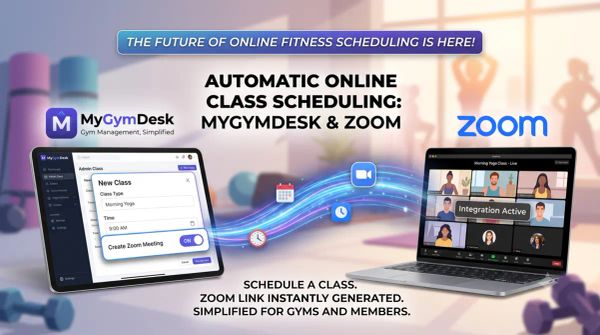
Managing diverse class formats and timetables is much easier with a proper class scheduling system that handles capacity limits, waitlists, and member bookings automatically.
What This Means for Your Gym: Actionable Takeaways
The gym membership trends in India for 2026 point in one clear direction: members want flexibility, personalisation, and digital convenience — and they want it at every touchpoint. Here's a quick action list to stay ahead:
The Bottom Line
The Indian fitness consumer in 2026 is informed, selective, and has more options than ever before. The gyms that will win aren't necessarily the largest or the cheapest — they're the ones that make the member experience frictionless, personalised, and worth showing up for consistently.
Staying on top of these gym membership trends in India means making operational changes, not just motivational ones. The right technology backbone makes most of these changes achievable without a large team or a massive budget.
If you're ready to modernise how your gym manages members, billing, communications, and retention, explore MyGymDesk's features or book a free demo to see how gyms across India are using it to grow in 2026.